Drywall
From a patched hole to a whole basement, we hang, tape and mud drywall to a smooth, flat, paint-ready finish. No telegraphing seams, no visible screws — just walls that look like they were always there.
Zavrick Contracting hangs, tapes, mudds and repairs drywall across Coquitlam, Port Coquitlam, Port Moody, Burnaby and New Westminster — from a single patch to a whole lower floor. We also repair plaster and lath in older homes, which is a different job with a different price.
The industry defines six levels of drywall finish, Level 0 through Level 5. Level 4 is the normal standard under flat paint; Level 5 — a skim coat over the entire surface — is what's recommended where gloss or semi-gloss paint, or strong side lighting, will otherwise show every seam.
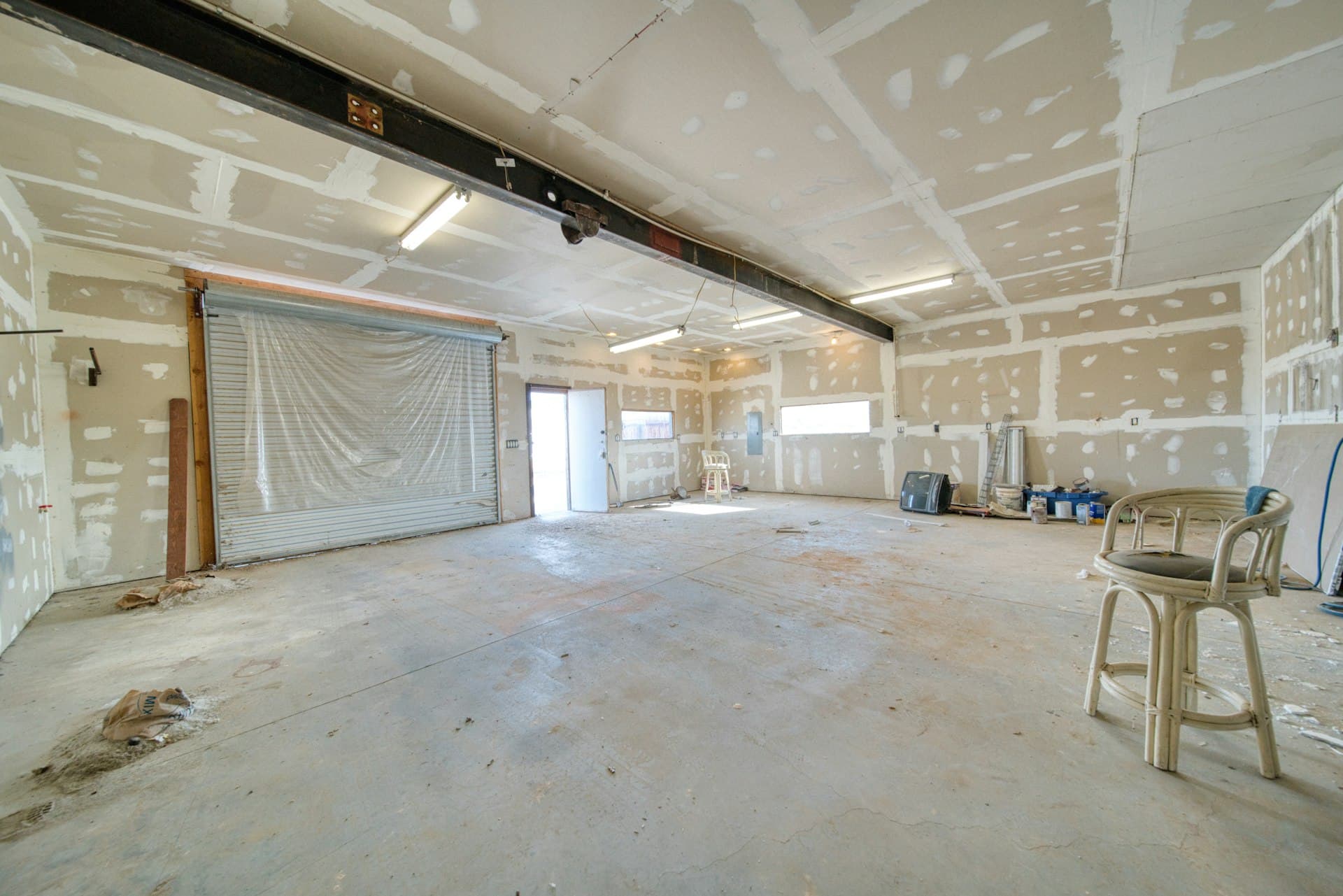
Done properly, start to finish
- Hanging, taping, mudding and sanding
- Patches, repairs and water-damage fixes
- Texture matching and smooth-wall finishes
- Basement, addition and renovation drywall
Level 4 or Level 5: the decision that gets skipped
Drywall finish is not a matter of opinion — it is a graded standard. The Gypsum Association's levels of finish run from Level 0 (board hung, nothing done) to Level 5 (a thin skim coat over the entire surface). Level 4, where the joints, corners and fastener heads are finished but the field of the board is left bare, is the normal standard and it is fine under flat paint in ordinary light.
Level 5 exists because Level 4 stops being enough in two situations: when the paint has any sheen, and when light rakes across the wall at a shallow angle. Both are common here. Big windows and low winter sun produce exactly the critical lighting that makes a Level 4 wall show its seams, and semi-gloss reflects them further.
The reason it gets skipped is that Level 5 is a whole extra stage of work across the entire surface, so it costs meaningfully more. The reason it matters is that discovering you needed it after the paint is on means sanding, skimming and repainting the room. We'd rather have that conversation at the quote.
Textured ceilings, and the pre-1990 rule you cannot skip
Sprayed ceiling texture — stipple, popcorn, knockdown — is everywhere in housing from the 1960s through the 80s, which covers a very large share of Port Coquitlam, Burnaby and Coquitlam.
In British Columbia, buildings constructed before 1990 must be inspected for asbestos-containing materials by a qualified person before renovation or demolition work that might disturb them, and sprayed ceiling texture is one of the materials that gets flagged. This is a WorkSafeBC requirement, not a judgement call, and it applies to the small jobs as well as the big ones.
In practice that means we will not sand, scrape or cut into pre-1990 ceiling texture on the assumption that it's fine. If your home is in that age bracket and the work would disturb the ceiling, testing comes first. It adds a step and it is not the step to skip.
Water-damaged drywall: find the source first
Water damage is the most common repair call we get, and the most common way it goes wrong is doing it in the wrong order. Cutting out the stained board and putting new board in over a leak that is still active, or a crawlspace that is still damp, produces a repair that fails again in months.
So the first job is finding where the water came from and confirming it has stopped and dried. Sometimes that means a plumber or a roofer before us. If we think the moisture is still live, we'll say so on the quote visit, even when that means the work doesn't start that week — that's a better outcome for you than doing it twice.
Plaster and lath is not drywall
Homes older than about 1950 — a lot of New Westminster, Maillardville, and pockets of Burnaby — generally have plaster over wood lath rather than gypsum board. It looks identical once painted and behaves nothing like it.
Plaster is harder, more brittle, and will not hold a drywall screw. A patch has to be keyed into the sound plaster around the damage and skim-coated wider than the hole so the repair disappears under paint. Screwing a drywall offcut into lath produces a patch that telegraphs through the paint and cracks at its edges. It's a longer job than the equivalent hole in modern board, and we quote it as one.
Drywall across the Tri-Cities, Burnaby & New West
Drywall — questions we get asked
What's the difference between a Level 4 and a Level 5 drywall finish?
Level 4 finishes the joints, corners and fastener heads and leaves the face of the board bare — the normal standard, and fine under flat paint in ordinary light. Level 5 adds a thin skim coat across the entire surface. You want Level 5 where the paint has sheen, or where light rakes along the wall from a big window, because those conditions make Level 4 seams visible. It costs more because it is an extra stage over the whole area.
Can you match my existing ceiling texture?
Yes, texture matching is a routine part of repair work. One condition: if the home was built before 1990, BC's rules require the material to be checked for asbestos by a qualified person before anything disturbs it. We won't sand or cut into pre-1990 sprayed texture until that's been done — that's a WorkSafeBC requirement rather than our preference.
How long does a drywall repair take to be paint-ready?
More elapsed time than working time, because joint compound has to dry between coats. A typical patch takes two or three coats with drying in between, then sanding, then priming. In a damp house or a cold month that stretches out. Rushing a coat onto compound that hasn't dried is what produces cracking later, so we plan the schedule around it rather than against it.
My walls are plaster, not drywall. Do you still do repairs?
Yes. Plaster over wood lath is common in pre-1950 homes across New Westminster and older Coquitlam. It needs a keyed patch skim-coated wider than the damage rather than a gypsum offcut screwed into lath, which cracks at the edges and shows through the paint. It takes longer, and we'll price it that way on the quote rather than discovering it mid-job.
Sources & further reading
Regulations and municipal requirements change. Confirm anything that affects your project with your municipality before work starts.
Tell us about your project.
Fill this out and Rob will get back to you — usually the same day — to set up a free, no-pressure on-site quote. Prefer to talk? Call or text anytime.

Got a project in mind? Let’s take a look.
Tell us what you’re thinking and Rob will come by for a free on-site quote — clear pricing, honest advice, zero pressure.