Interior & Exterior Painting
From a single feature wall to a full exterior repaint, we prep properly and finish clean. Good paint work is 80% preparation — patching, sanding, caulking, and masking — and that's the part most crews rush. We don't.
Zavrick Contracting paints interiors and exteriors across Coquitlam, Port Coquitlam, Port Moody, Burnaby and New Westminster. Most of what makes a paint job last is preparation — washing, scraping, patching, caulking and priming — and it is the first thing a cheap bid quietly drops. Free on-site quotes.
Most exterior acrylic paints specify a minimum application temperature around 10°C with the surface staying dry through cure, which in this climate puts the realistic exterior painting window between roughly April and early October.
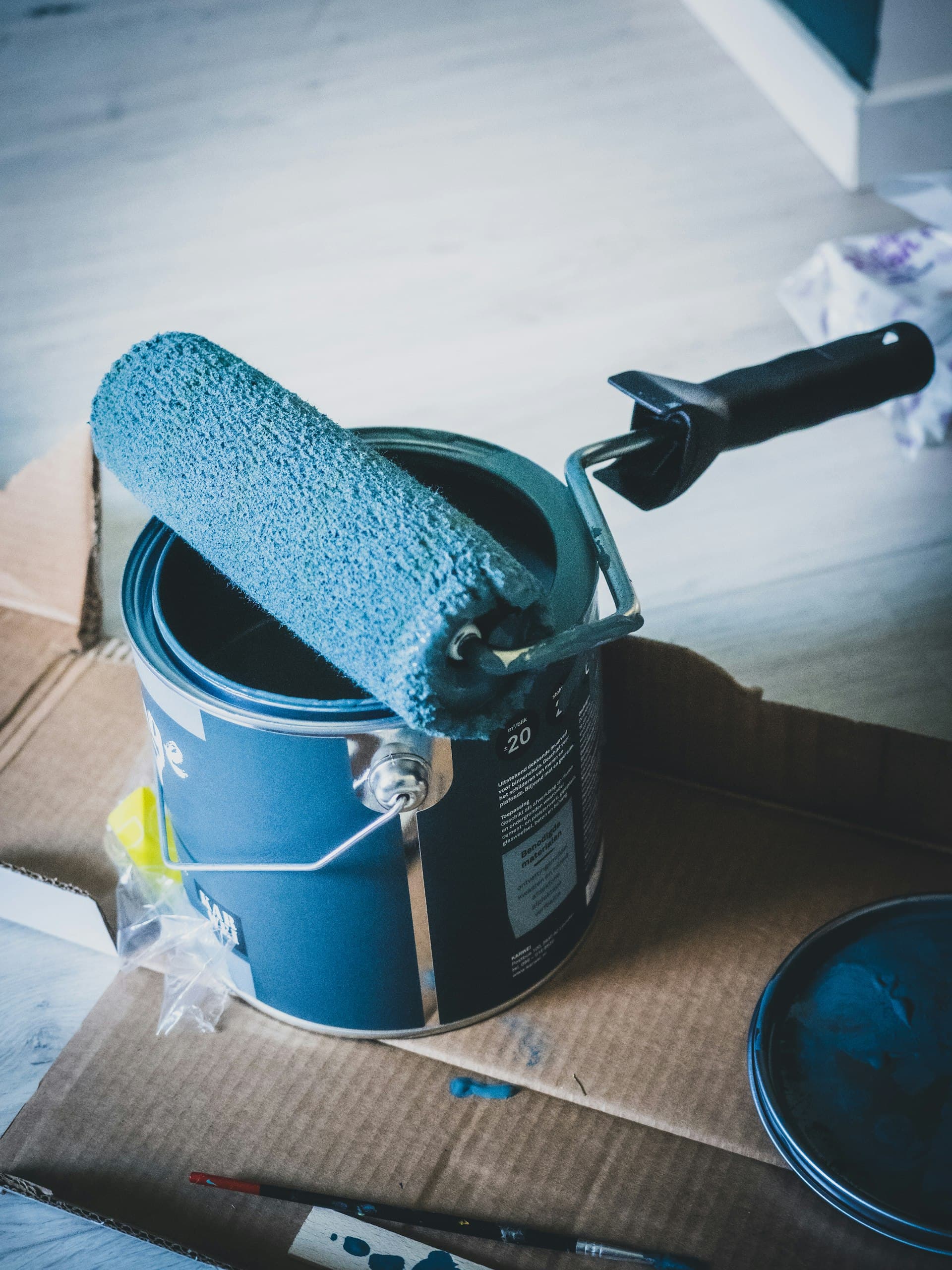
Done properly, start to finish
- Interior walls, ceilings, trim, doors and cabinets
- Exterior siding, fascia, soffits and trim
- Thorough prep: patch, sand, caulk, prime
- Low-VOC options and tidy, protected work areas
Why preparation decides how long a paint job lasts
Paint does not fail because the paint was bad. It fails because it lost its grip on what was underneath it. Every failure mode we get called to fix — peeling, flaking, blistering, a coat that comes away in sheets — traces back to a surface that was dirty, chalky, damp, glossy or already failing when the new coat went on.
That is why the price difference between two quotes for the same house is almost always the prep, not the paint. Washing, scraping back to a sound substrate, sanding gloss to give the next coat something to key into, filling and sanding flat, caulking the gaps that let water in, and spot-priming every patch and every bit of bare wood is slow, unglamorous work that does not photograph well and decides everything.
- Wash and let the surface dry properly before anything else
- Scrape and feather back to a coating that is genuinely stuck down
- Fill, sand flat, and spot-prime every patch and bare spot
- Caulk the joints that let water behind the cladding
- Mask and protect what is not being painted — floors, fixtures, plants
The exterior painting window in the Lower Mainland
Exterior paint has two weather requirements, and both are stricter than people expect. It needs the air and the surface above the manufacturer's minimum application temperature — commonly 10°C, with some low-temperature formulations rated lower — and it needs the film to stay dry long enough to cure, which is considerably longer than it takes to stop feeling wet.
Add in that a rain-soaked wall needs days to dry out before it can be painted at all, and the practical exterior season here runs from about April into early October. Everyone books into the same window, so early spring enquiries get the better slots and the more forgiving weather.
Interior work has no such constraint, which is why winter is a genuinely good time to do the inside of the house.
Choosing sheen, not just colour
Colour is the decision people agonise over and sheen is the decision that actually changes how a room lives. Flat and matte finishes hide surface imperfection, which is what you want on a ceiling or an older wall, but they are harder to clean. Eggshell and satin are the usual compromise on walls that get touched. Semi-gloss and gloss are for trim, doors and anything that needs scrubbing.
There is a trade-off worth knowing before you pick: the shinier the finish, the more of the wall behind it you can see. A semi-gloss wall in a room with big windows and low winter sun will show every seam, every patch and every ripple in the drywall underneath. If you want that finish, the wall has to be prepared to a higher standard first — which is a drywall decision as much as a paint one.
What an interior repaint actually includes
A whole-home interior quote from us covers the walls, the ceilings, the trim, the doors and the closets unless we've agreed otherwise in writing, and it says so in line items rather than as a single number. Cutting in the line where the wall meets the ceiling, brushing out trim and doors, and doing the hallways and closets is where the hours go — walls themselves are the fast part.
It also covers protecting the house. Floors covered, furniture moved and sheeted, fixtures masked, and the space swept and put back at the end of each day rather than at the end of the job.
Interior & Exterior Painting across the Tri-Cities, Burnaby & New West
Interior & Exterior Painting — questions we get asked
How much does painting cost?
We don't post flat rates, because the honest answer depends on the prep. Two houses of identical size can differ by a factor of two once you account for how sound the existing coating is, how much bare wood needs priming, how much trim and how many doors are involved, and whether the ceilings are being done. The quote visit exists to answer exactly that, and you get the number in writing before anything starts.
Can you paint in winter?
Inside, yes — winter is a good time for interior work and the schedule is usually more open. Outside, generally no. Most exterior paints specify a minimum application temperature around 10°C and need the surface to stay dry while the film cures, so we'd rather book you into the spring than put a coat on a cold, damp wall and have it fail.
Do I need to move out while you paint?
Almost never. We work room by room, protect and sheet everything that stays, and use low-VOC products where they suit the job. Most homeowners stay put through an interior repaint. If a specific stage would make part of the house unusable for a day, we'll tell you in advance rather than on the morning.
Will you paint over wallpaper?
We'd rather not, and we'll tell you why on the visit. Paint tends to reactivate the adhesive and lift the seams, so a wallpapered wall that gets painted often looks fine for a month and bubbles afterwards. Removing it and skimming the wall flat costs more up front and is the version that lasts.
Sources & further reading
Regulations and municipal requirements change. Confirm anything that affects your project with your municipality before work starts.
Guides on this trade
Tell us about your project.
Fill this out and Rob will get back to you — usually the same day — to set up a free, no-pressure on-site quote. Prefer to talk? Call or text anytime.
Got a project in mind? Let’s take a look.
Tell us what you’re thinking and Rob will come by for a free on-site quote — clear pricing, honest advice, zero pressure.